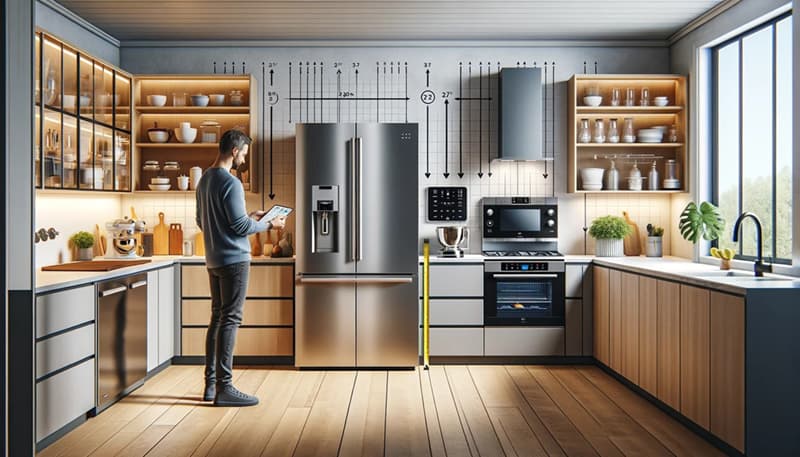
Luxury has acquired a more sophisticated meaning in contemporary interiors. It is no longer dependent on excessive ornamentation, ostentatious finishes, or rooms crowded with expensive furnishings. Instead, modern luxury emerges through impeccable craftsmanship, spatial harmony, tactile materials, intelligent technology, and a remarkable sense of comfort. This refined philosophy is increasingly shaping the work of luxury interior designers in bangalore, who create residences that feel both magnificent and deeply personal.
Bangalore’s diverse residential architecture provides an intriguing canvas for luxurious design. High-rise apartments, expansive villas, elegant penthouses, and independent residences each possess distinctive spatial characteristics. The most successful interiors respond to these qualities rather than imposing an arbitrary aesthetic. Generous proportions can be emphasised through sculptural furniture, while compact spaces can gain an air of exclusivity through bespoke detailing and meticulous planning.
True luxury is often perceptible in the smallest decisions. The alignment of cabinetry, the tactile quality of a wall finish, the placement of a light fixture, and the transition between materials can collectively create an atmosphere of quiet grandeur.
Creating Bespoke Residential Environments
Personalisation sits at the heart of exceptional residential design. A luxurious home should reveal something about its occupants rather than resemble an impersonal showroom. Their routines, passions, collections, cultural influences, and aesthetic preferences can all become ingredients within the design.
Bespoke furniture is particularly effective in achieving this distinction. Custom sofas, dining tables, wardrobes, consoles, and storage systems can be created around the exact dimensions and requirements of a residence. Such pieces eliminate awkward gaps while providing a cohesive visual character.
Customisation can extend to upholstery, hardware, wall treatments, lighting, and decorative elements. A hand-finished cabinet may become an artistic focal point, while a carefully selected fabric can introduce warmth into an otherwise architectural interior. Every component contributes to a larger composition.
The resulting environment feels intentional. Nothing appears accidental.
Elevating Interiors Through Materiality
Material selection is one of the defining characteristics of luxurious interiors. Natural stone, premium timber, textured fabrics, refined metals, glass, leather, and handcrafted surfaces can establish a sophisticated tactile vocabulary.
Contrast often creates the greatest visual intrigue. Smooth marble can be paired with softly grained timber. Brushed metal can provide subtle luminosity against a matte surface. Rich upholstery can temper the severity of stone and glass.
Natural materials possess an especially compelling quality because no two pieces are completely identical. The veining of stone, grain of wood, and subtle irregularities of artisanal finishes introduce provenance and individuality. These nuances prevent a residence from appearing overly manufactured.
Material transitions also deserve careful attention. The meeting point between flooring and walls, cabinetry and countertops, or different textures can influence the perceived quality of an entire room. Precision is therefore an essential component of luxury.
Using Proportion to Create Grandeur
Luxury is closely associated with proportion. A room can contain exceptional materials yet feel underwhelming if furniture dimensions, circulation paths, and architectural features are poorly balanced.
Thoughtful spatial planning establishes equilibrium. Furniture should complement the scale of the room while leaving enough negative space for important features to breathe. Oversized architectural elements can be balanced with appropriately scaled furnishings, while intimate rooms can benefit from carefully proportioned pieces that maximise comfort without creating visual congestion.
Negative space is particularly powerful. An uncluttered area around a sculptural chair, artwork, or statement console can give that element greater presence.
This restraint creates an atmosphere of composure. The room feels generous without relying solely on physical size.
Transforming Ambience Through Lighting
Lighting can make an interior appear dramatically different from one moment to the next. Natural daylight provides the initial character, while artificial illumination introduces atmosphere, depth, and versatility.
Large windows can maximise daylight and connect interiors with Bangalore’s changing skies. Sheer curtains can diffuse harsh sunlight, while layered window treatments provide privacy when required. Reflective surfaces can further distribute available light throughout a room.
Artificial illumination works best when divided into distinct layers. Ambient lighting establishes overall visibility, task lighting supports practical activities, and accent lighting draws attention to artwork, architectural details, textures, or statement furniture.
Concealed illumination can create an especially elegant effect. Soft light beneath cabinetry, within recessed niches, or around ceiling details can produce a gentle radiance without exposing the source. Such subtlety often feels more luxurious than conspicuous brightness.
Integrating Smart Technology With Sophistication
Technology has become an important dimension of contemporary luxury. Automated curtains, intelligent lighting, climate management, integrated entertainment systems, advanced security, and centralised controls can make a residence more responsive to its occupants.
However, technological sophistication should not compromise visual elegance. Wiring, speakers, switches, and equipment can be integrated discreetly into walls, ceilings, cabinetry, and architectural features.
Smart lighting can create different environments for dining, entertaining, relaxation, or work. Motorised curtains can respond to schedules or daylight conditions. Integrated audio can provide an immersive experience without turning the room into an electronics display.
The most successful technology is often almost invisible. It performs its function quietly while allowing architecture and materiality to remain the protagonists.
Designing Private Spaces for Wellbeing
Luxury also means having dedicated spaces for restoration and solitude. Bedrooms, dressing rooms, reading lounges, home spas, and intimate sitting areas can provide tranquil retreats within a busy urban environment.
Bedrooms can be designed with muted palettes, sumptuous textiles, carefully calibrated lighting, and acoustic consideration. Dressing rooms can combine elegant finishes with meticulous organisation. A private lounge might feature deep seating, warm illumination, bookshelves, and tactile materials that encourage lingering.
Bathrooms can receive similar attention. Natural stone, sculptural basins, refined fittings, ambient lighting, and carefully selected textures can transform an everyday routine into a more indulgent experience.
Comfort is not an afterthought. It is central to luxury.
Introducing Nature Into Urban Luxury
Bangalore’s urban environment makes the integration of natural elements particularly appealing. Biophilic design can introduce greenery, organic textures, natural light, and outdoor views into sophisticated residences.
Large windows and expansive openings can visually connect living areas with balconies, gardens, or terraces. Indoor plants can soften architectural lines, while timber, stone, linen, rattan, and terracotta introduce organic tactility.
Water-inspired features can also contribute to tranquillity when appropriate. Even a modest indoor planting arrangement can alter the atmosphere of a room, bringing a sense of freshness and visual repose.
The combination of natural elements with refined architecture creates a compelling juxtaposition. The result can feel polished without becoming sterile.
Curating Art and Decorative Accents
Luxury interiors rarely require an abundance of decoration. Instead, carefully chosen pieces can provide greater impact.
Artwork can establish a room’s visual identity, while sculptures, collectible objects, antiques, and handcrafted accessories can introduce personality. An heirloom may become a fascinating counterpoint to contemporary furniture. A large artwork can create a dramatic focal point within an otherwise restrained composition.
Placement is crucial. Proportion, lighting, sightlines, and surrounding space determine how an object is perceived. A remarkable piece can lose its impact when surrounded by competing elements, whereas a thoughtfully positioned object can command attention effortlessly.
This approach creates visual curation rather than visual clutter.
Embracing Sustainable Sophistication
Luxury design is increasingly compatible with environmental responsibility. Durable materials, energy-efficient lighting, responsible sourcing, natural ventilation, and long-lasting furnishings can enhance both sustainability and aesthetic quality.
Choosing fewer, better-made pieces can be particularly effective. Exceptional craftsmanship often gives furniture and architectural elements greater longevity, reducing the need for frequent replacement.
Locally sourced materials and artisanal craftsmanship can add another layer of distinction. Handcrafted surfaces, regional techniques, and natural materials provide a sense of provenance while supporting skilled workmanship.
Sustainability therefore does not have to diminish luxury. When approached intelligently, it can make an interior feel more authentic and considered.
Creating Luxury That Remains Relevant
A sophisticated residence should not become visually obsolete as trends change. Timeless proportions, high-quality materials, adaptable layouts, and restrained architectural foundations provide a durable framework.
Contemporary influences can then be introduced through artwork, textiles, accent furniture, lighting, and accessories. These elements can evolve without requiring a complete transformation of the home.
The most enduring interiors balance spectacle with serenity. They offer visual richness without unnecessary excess and functionality without sacrificing elegance. Every room should feel impressive, yet comfortable enough for ordinary life.
In this sense, luxury becomes an experience rather than a price tag. It is the pleasure of moving through a beautifully proportioned room, touching finely crafted materials, enjoying perfectly calibrated illumination, and knowing that every detail has been considered.
A thoughtfully designed Bangalore residence can therefore become more than an impressive property. It can serve as a private sanctuary, a gracious setting for entertaining, and a deeply personal reflection of its inhabitants. When craftsmanship, technology, architecture, materiality, and comfort converge with precision, luxurious living becomes an effortless part of everyday life.
About the Author