A home is more than a collection of rooms, furniture, and decorative objects. It is an environment where routines unfold, memories accumulate, and personal preferences become visible through materials, colors, textures, and spatial arrangements. The right interior design can transform an ordinary residence into a place that feels distinctive, comfortable, and genuinely connected to the people who inhabit it.
For homeowners seeking a refined transformation, working with the best interior designers in bangalore can offer a thoughtful balance between aesthetics, functionality, and individuality. Bangalore’s dynamic architectural landscape has encouraged a diverse range of interior approaches, from understated contemporary spaces to richly layered traditional environments.
Understanding the Art of Interior Design
Interior design is fundamentally about shaping how people experience a space. A successful design considers movement, lighting, proportions, storage, materials, furniture, and the relationship between different areas of a home.
A beautiful room is appealing.
A well-designed room is also practical.
This distinction matters because residential interiors must accommodate everyday activities. A living room may need to support conversations, relaxation, entertainment, and occasional gatherings. A kitchen must combine visual appeal with efficient circulation and accessible storage. Bedrooms require a calmer atmosphere, while workspaces benefit from organization and appropriate illumination.
Good design harmonizes these competing requirements without making the space feel contrived.
Why Bangalore Homes Have Distinctive Design Needs
Bangalore’s residential architecture is remarkably varied. Modern apartments, compact urban homes, independent houses, villas, and renovated properties each present different possibilities and constraints.
Space planning can therefore become particularly important. In an apartment, every square meter may need to perform multiple functions. Thoughtful cabinetry, modular furniture, concealed storage, and carefully positioned lighting can help maintain visual clarity without sacrificing utility.
Larger homes present a different challenge. Excessive decoration can make expansive rooms feel disconnected, while an overly minimal approach may create an impersonal atmosphere. Designers must establish visual continuity while allowing individual spaces to retain their own character.
Creating a Personalized Design Language
One of the strongest advantages of professional interior design is personalization. A home should not resemble a showroom assembled from unrelated trends.
Instead, the designer can identify recurring preferences and translate them into a coherent visual language.
Someone who enjoys natural materials might prefer wood, stone, linen, earthy textures, and muted finishes. Another homeowner may gravitate toward contemporary geometry, polished surfaces, and sculptural lighting.
There is no universal formula.
The objective is to create an environment that feels authentic.
The Importance of Space Planning
Before selecting furniture or decorative elements, effective designers examine how the available space will function. Circulation pathways, furniture proportions, door openings, windows, electrical points, and storage requirements all influence the final arrangement.
Poor planning can make even expensive interiors feel cramped.
Strategic planning, by contrast, can make a modest home feel remarkably generous. Open sightlines, appropriately scaled furniture, multifunctional elements, and intelligent storage can create a sense of spatial amplitude without physically increasing the room.
This is where professional expertise becomes especially valuable.
Choosing Materials With Purpose
Materials contribute substantially to the atmosphere and longevity of an interior. Wood can introduce warmth, stone can create visual gravitas, glass can enhance openness, and metal can add a contemporary accent.
However, material selection should not be based exclusively on appearance. Maintenance requirements, durability, environmental conditions, usage patterns, and budget should also be considered.
For high-traffic areas, resilient finishes may be more appropriate. In quieter spaces, delicate textures can be introduced without creating excessive maintenance demands.
A thoughtful material palette is therefore both aesthetic and pragmatic.
Lighting as an Architectural Element
Lighting is sometimes treated as an afterthought, but it can dramatically alter how an interior is perceived.
Natural light establishes the baseline atmosphere during the day. Artificial lighting then extends that experience into the evening through ambient, task, and accent illumination.
A layered lighting strategy can make a room feel more dimensional. Recessed fixtures may provide general illumination, pendant lights can define focal areas, and concealed lighting can emphasize architectural details.
Warm, controlled illumination can also soften materials and create a more inviting ambience.
Designing Functional Kitchens
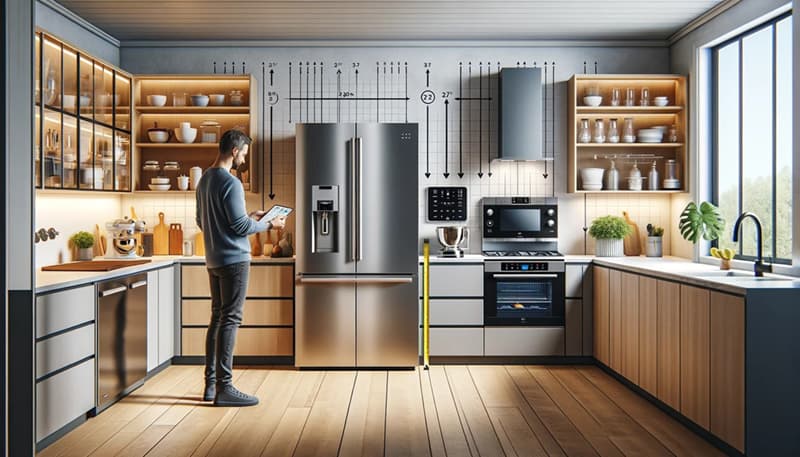
The kitchen is one of the most demanding spaces in a home because it combines storage, preparation, cleaning, movement, and often social interaction.
An effective kitchen layout should minimize unnecessary movement while keeping frequently used items accessible. Cabinet organization, countertop positioning, appliance placement, ventilation, and lighting all contribute to usability.
Contemporary kitchens can also incorporate integrated storage systems that reduce visual clutter. Tall units, pull-out mechanisms, drawer organizers, and concealed appliances can help create a cleaner appearance while preserving functionality.
The result should look elegant without becoming difficult to use.
Bedrooms That Encourage Comfort
Bedrooms benefit from a more restrained design philosophy. Excessive visual stimulation can make the space feel busy, while a carefully selected palette can create a quieter environment.
Soft textures, balanced lighting, practical bedside storage, and appropriately scaled furniture can contribute to a sense of comfort. The design should reflect the occupant’s preferences rather than simply reproducing a fashionable aesthetic.
A bedroom should feel personal.
That sense of intimacy is often created through subtle details rather than extravagant decoration.
Sustainable and Enduring Choices
Interior design is also increasingly connected with sustainability. Durable materials, responsible sourcing, energy-efficient lighting, adaptive furniture, and long-lasting finishes can reduce the need for frequent replacements.
Timelessness is another form of sustainability. A design that remains appealing for years can be more practical than one built entirely around fleeting trends.
The best interior designers in bangalore often need to balance contemporary appeal with enduring usability, creating spaces that can evolve as homeowners’ needs change.
Technology and Smart Homes
Technology is becoming increasingly integrated into residential interiors. Smart lighting, automated curtains, security systems, climate controls, and connected appliances can enhance convenience when incorporated thoughtfully.
The challenge is integration.
Technology should support the design rather than overwhelm it. Concealed wiring, discreet controls, and carefully planned electrical infrastructure can maintain a clean visual appearance while providing modern functionality.
This intersection of design and technology is creating increasingly sophisticated residential environments.
Finding the Right Design Partner
Selecting an interior designer requires more than browsing attractive photographs. Homeowners should consider design philosophy, communication style, project experience, material knowledge, budgeting practices, timelines, and the ability to understand individual requirements.
A portfolio can reveal aesthetic tendencies, but conversations reveal whether those tendencies can be adapted.
Clear communication is particularly important. A successful project depends on aligning expectations about functionality, materials, costs, schedules, and the overall design direction.
Conclusion
A well-designed home does not simply look impressive. It works beautifully, reflects its occupants, and remains comfortable as everyday life changes.
The best interior designers in bangalore approach residential design as a synthesis of creativity, practicality, material intelligence, and personal expression. Through thoughtful space planning, carefully selected finishes, purposeful lighting, functional furniture, and subtle technological integration, an ordinary interior can acquire a distinctive identity.
Ultimately, the most memorable homes are not defined by extravagance. They are defined by coherence. Every room contributes to a larger narrative, and every detail has a reason for being there.
About the Author